

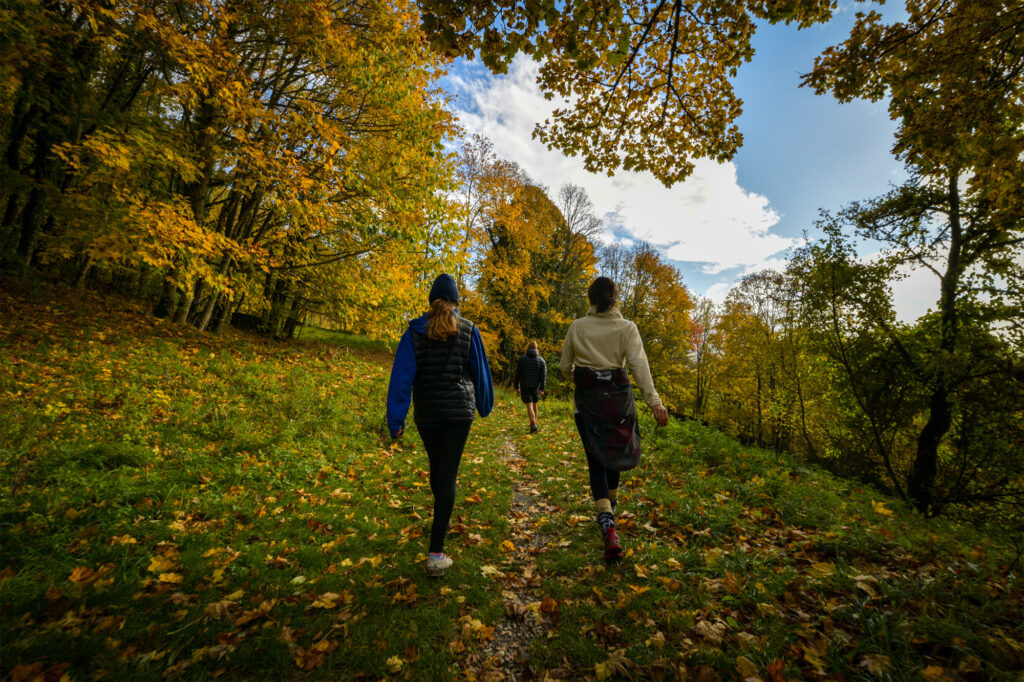
In January, temperatures in Tuscany average between 3 and 10 degrees Celsius. It is the coldest month of the year, but also one of the quietest and most authentic. Those willing to bring a jacket will discover a Tuscany free of crowds, with full flavors, empty trails, and an atmosphere that is simply absent in summer. In this article, we answer the most frequently asked questions about the weather in Tuscany in January.
How cold does it get in Tuscany in January?
In January, daytime temperatures in Tuscany average between 7 and 10 degrees Celsius. At night, they can drop to around freezing, sometimes slightly below. In the hills and inland areas, such as the Casentino valley, it is generally a little colder than on the coast or in cities like Florence and Siena.
The sun shines an average of four to five hours per day in January. That is little compared to summer, but on clear days the light over the hills and forests can be spectacular. Frost is possible, especially at night and early in the morning. Snow is rare in the lower-lying parts of Tuscany, but in the higher hills and mountain areas such as the Apennines, a thin dusting sometimes falls.
For travelers accustomed to a Northern European winter climate, January in Tuscany actually feels surprisingly pleasant. The air is clear, the countryside is quiet and green, and the cold has something fresh and invigorating about it. Warm clothing is a must, but a heavy down jacket is rarely needed for most of the day.
How much rain falls in Tuscany in January?
January is one of the wetter months in Tuscany. On average, around 60 to 80 millimeters of precipitation falls throughout the month, depending on the region. Inland, including the Casentino area, this can be slightly higher due to its position in the hills. Expect around ten to twelve rainy days per month.
The rain rarely falls all day long. Often it comes in short, heavy showers followed by clearings. On dry January days, Tuscany offers a beautiful winter landscape: misty valleys in the morning, crystal-clear skies in the afternoon, and an evening glow over the hills that calls a painting to mind. Those who are flexible and adapt their day to the weather will have little trouble with it.
What are the advantages of visiting Tuscany in January?
Visiting Tuscany in January has a number of concrete advantages that more than compensate for the winter temperatures. It is the quietest month of the year, meaning you have popular spots, restaurants, and walking trails almost entirely to yourself. That is a rarity in a region that is overrun with tourists in summer.
The main advantages at a glance:
- No crowds: cities like Arezzo, Cortona, and Florence are calm and pleasant to explore without queues or packed squares.
- Authentic contact: local residents have more time and attention for visitors outside the high season.
- Lower prices: accommodation and restaurants are generally cheaper than in summer.
- Winter gastronomy: January is the season of truffles, wild boar, ribollita, and other rich, warming dishes that define the Tuscan winter kitchen.
- Nature at rest: the forests and hills are green, quiet, and deserted, ideal for walks without the summer noise.
- Light and atmosphere: the low winter sun creates a special light over the landscape that appeals to photographers and nature lovers.
For couples looking to escape the everyday hustle, January in Tuscany offers a romantic and intimate atmosphere that summer simply cannot provide.
What can you do in Tuscany in winter?
Tuscany in winter offers plenty of activities for those willing to venture into nature or immerse themselves in local culture. Walking, gastronomy, culture, and tranquility are the four pillars of a successful January trip to the region.
Here are the most valuable experiences for a winter visit:
- Walking through the Casentino: the forests of the Casentino National Park are beautifully quiet in winter. Trails are easy to navigate and you walk without the summer heat. A hike to the monastery of La Verna is a special combination of nature, history, and spirituality.
- Truffle hunting: the winter period is one of the best times for black truffles. A culinary experience with a local guide and trained dogs is something few tourists get to enjoy.
- Discovering local cuisine: pasta-making, wine tastings, and visits to local producers are especially intimate and personal in winter.
- Exploring cultural cities: Florence, Arezzo, and Siena are quiet in January. Museums, churches, and piazzas can be enjoyed without queues.
- Relaxing in nature: a hot tub after a cold day’s walk is one of the most satisfying experiences Tuscany has to offer in winter.
The key to a successful winter trip is flexibility. Combine active days with moments of rest, and let yourself be surprised by what the season brings.
What should you pack for Tuscany in January?
For Tuscany in January, it is best to pack in layers. Temperatures vary throughout the day and the combination of cold, wind, and occasional rain calls for smart clothing choices. A heavy suitcase is not necessary, but a well-packed bag is.
Be sure to bring:
- A waterproof outer jacket or rain jacket with windproof lining
- Sturdy walking shoes or boots with grip, preferably water-resistant
- Warm layers: fleece, a sweater or vest, and thermal underwear for cold evenings
- A scarf, hat, and gloves for early mornings and evenings
- Comfortable shoes for exploring towns and villages
- A small backpack for day walks
You do not need to bring heavy winter gear. Tuscany in January is cold, but not extreme. The emphasis is on versatility: clothing you can mix and match for both a walk in nature and an evening at the table in a local restaurant.
Is January a good month to travel to Tuscany?
Yes, January is an excellent month to travel to Tuscany, provided you know what you are looking for. It is not a month for beachgoers or those expecting sunny terraces. But for those who value peace, nature, authenticity, and local gastronomy, January offers a Tuscan experience that is impossible in summer.
The climate in Tuscany in January requires some adjustment, but also offers something rare: the region in its most honest and unspoiled form. No filters, no crowds, no tourist scenery. Just the hills, the forests, the local people, and the rich winter cuisine.
January is especially suited to couples seeking romance outside the high season, to individual travelers who want to walk and recharge, and to anyone who wants to experience Tuscany the way the Italians themselves know it.
How Novanta makes your January stay in Tuscany unforgettable
Novanta is an experience hotel tucked away in the Casentino hills, on the edge of the national park of the same name. It is exactly the kind of place that suits a January trip to Tuscany: authentic, tranquil, active, and deeply rooted in local culture. In winter, the experience shifts away from the swimming pool and summer activities toward something richer and more intimate.
What Novanta offers for a winter stay:
- Atmospheric hotel rooms and cottages in a historic borgo with exposed stone walls and rustic wooden beams
- Guided truffle hunting in the valley with local experts
- Pasta-making, wine tastings, and other culinary workshops inspired by cucina povera
- Walks through the Casentino forests and to the monastery of La Verna
- A hot tub after a cold day’s walk in nature
- Meals at long tables featuring ingredients from local producers
Novanta shows that Tuscany in winter is not a compromise, but a deliberate choice for a deeper, more authentic experience. Discover the experiences and activities and plan your January stay in the Casentino valley.
Related Articles
- Wat zijn leuke alternatieven voor skivakanties in Italië?
- Wat maakt een herfstvakantie in Toscane anders dan een stedentrip?
- Why Do Families Choose the Tuscan Countryside Over the City?
- Welke delen van Toscane zijn minder druk in de zomer?
- Hoe combineer je cultuur en leuke activiteiten voor kinderen in Toscane?
