

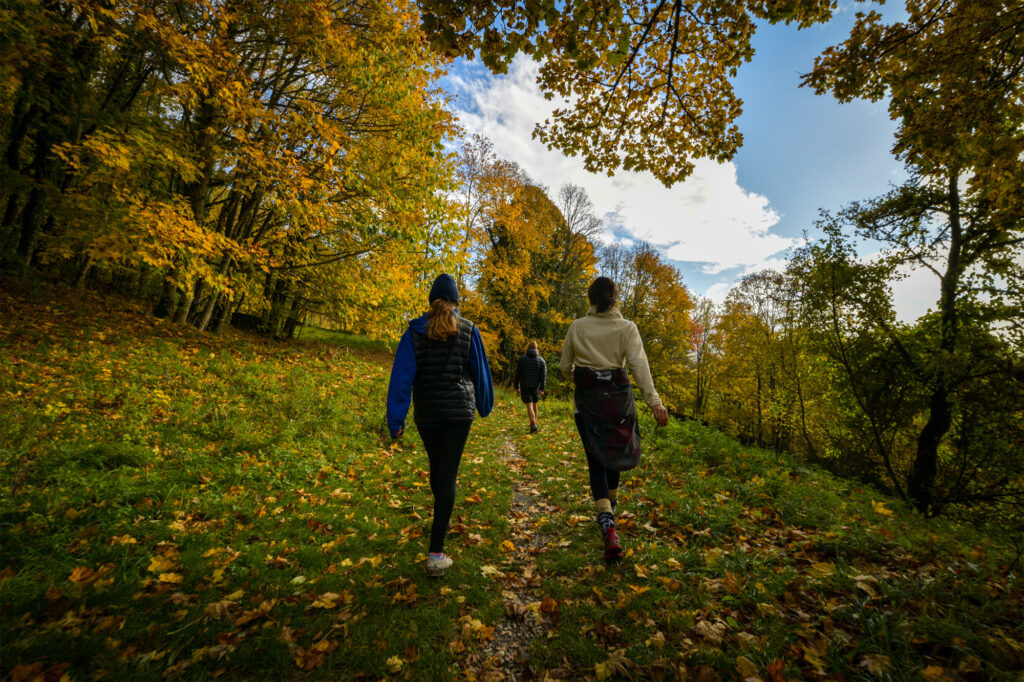
Yes, it snows in Tuscany in winter, but it is not guaranteed. Snow rarely falls in the coastal areas and lower valleys, while the hills and mountain regions such as the Apennines and the Casentino area regularly receive a white blanket. The likelihood of snowfall depends strongly on the altitude and the specific part of the region you visit. In this article we answer the most frequently asked questions about winter weather in Tuscany.
How cold does it get in Tuscany in winter?
In winter, temperatures in Tuscany average between 3 and 12 degrees Celsius, depending on the location and time of year. In coastal towns such as Livorno or Grosseto it remains relatively mild, while in the inland hills and mountain villages it can be noticeably colder. Frost at night is not uncommon in higher areas.
December and January are the coldest months. In the early morning hours, temperatures in the hills can drop to around freezing point or even slightly below. It warms up during the day, but the sun is low and the days are short. February slowly marks the transition to early spring, with a little more light and gradually rising temperatures.
The Casentino area, located in the Apennines to the east of Florence, has a rougher mountain climate than the well-known Chianti hills or the coastal region. Here winter conditions can be harsher: cold nights, mist in the valleys, and the occasional snowfall that completely transforms the landscape. It is precisely this that makes a stay in this part of Tuscany in winter so special.
Which parts of Tuscany receive the most snow?
Most snow in Tuscany falls in the mountain areas of the Apennines, particularly in the provinces of Arezzo, Pistoia, and Lucca. The Casentino area, the Garfagnana, and the Mugello are the regions where snowfall is most common in winter. Along the coast and around Florence, snow falls only sporadically.
Altitude is the determining factor. Villages and areas above 500 metres have a considerably greater chance of snow than low-lying cities such as Siena, Pisa, or Lucca. The Casentino National Park, with its vast forests of beech and chestnut trees, sits at an elevation where snow falls regularly in winter. The forests are then filled with snow-covered trees, while the valleys below can be wrapped in a cold, silent mist.
Well-known ski resorts in Tuscany are located around the Abetone pass in the Pistoiese Apennines. This is the most accessible ski area in the region and attracts families and winter sports enthusiasts during the winter months. Further to the east, towards the Casentino, the atmosphere is less sporty and more contemplative: snow in the forests around La Verna or along the Corsalone river has something almost magical about it.
How often does it snow in Tuscany and how long does the snow last?
In the higher parts of Tuscany it snows an average of five to ten days per year, mainly between December and February. In the lower areas and cities, snowfall is rarer: Florence sees a real snowfall only once every few years. Snow rarely lies in the valleys for more than a few days, while at greater altitude it can remain for weeks.
In the Casentino area, the forests and higher slopes hold snow longer than the open valleys. A heavy snowfall in January can remain visible in shaded woodland areas well into February. This makes hiking through the Casentino National Park in winter a very different experience from summer: it is quieter, wilder, and visually breathtaking.
It is wise to account for variability. One winter can be exceptionally cold and snowy, while another is surprisingly mild. Those travelling specifically for snow would do well to remain flexible in their planning and prepare for both scenarios.
What are the advantages of visiting Tuscany outside of peak season?
Visiting Tuscany outside of peak season means fewer crowds, lower prices, and a more authentic experience. In autumn and winter you see the region as the local population knows it: quieter, more honest, and often more beautiful. Nature retreats into its most understated form, but loses none of its power.
The advantages are concrete and numerous:
- No tourist crowds in the well-known cities and villages
- Lower accommodation prices and more availability to choose from
- Authentic contact with the local population and culture
- Autumn and winter gastronomy at its finest: truffles, chestnuts, game, new wine
- Sharper air and clearer light for those who enjoy photography or nature
- Hiking without the heat, through forests full of autumn colours or along snowy paths
- Atmospheric villages that are flooded with tourists in summer but reclaim their character in winter
Those who truly want to understand Tuscany should not visit it only in August. The autumn and winter months reveal a different, deeper layer of the region: the smell of wood burning in open fireplaces, the local market on Saturday morning, the quiet paths through the national park.
What activities are there in Tuscany during winter?
Tuscany in winter offers a surprising amount to do for those who are open to nature, culture, and local traditions. Hiking, gastronomic experiences, and cultural excursions are at their best in this season. The absence of summer crowds makes many activities all the more enjoyable.
Popular winter activities in Tuscany include:
- Truffle hunting in the hills and forests, preferably with trained dogs and a local guide
- Hiking through the Casentino National Park, along snowy paths or through quiet chestnut forests
- Wine tastings at local producers, who have more time and attention for visitors in winter
- Making pasta and bread in the traditional way, as part of a culinary workshop
- Visiting La Verna, the impressive monastery on the rocks above the Casentino
- Exploring historic cities such as Arezzo, Cortona, or Poppi, without the summer crowds
- Relaxing in a hot tub after a cold day of hiking, surrounded by silence and nature
The active experiences in the Casentino area are particularly valuable in winter. The combination of fresh mountain air, vast forests, and local traditions makes this season one of the most underrated times to travel in all of Italy.
What should you pack for a winter trip to Tuscany?
For a winter trip to Tuscany, pack clothing in layers, with attention to both outdoor activities and atmospheric evenings. The climate is temperate but can surprise you with cold, rain, or snow, especially in the hills. Good preparation makes the difference between comfortable enjoyment and shivering your way around.
Be sure to bring the following:
- Sturdy walking shoes or hiking boots, preferably waterproof
- Thermal clothing as a base layer for cold mornings and hikes
- A warm, windproof jacket that is also resistant to rain
- Gloves, a hat, and a scarf for cold days and evenings
- Lighter clothing for indoors and the warmer midday hours
- A small backpack for day hikes with water, snacks, and extra layers
- Sunscreen, because the winter sun in Tuscany can be deceptively strong in clear weather
Those planning to hike in the national park or visit higher areas would do well to check the weather forecast daily. Snow or ice can temporarily make paths impassable. A flexible daily schedule works better in winter than a tight itinerary.
Novanta as a base for a winter stay in Tuscany
Novanta, tucked away in the Casentino hills, is ideally suited as a base for an authentic winter stay in Tuscany. The borgo is within walking distance of vast forests, hiking trails, and the silence of a valley that is already peaceful in peak season, but in winter truly comes to life in its own, understated way. Here it is not about luxury in the traditional sense, but about real experiences: the warmth of an open fireplace, a meal prepared with local seasonal produce, or a truffle hunt with a guide from the area.
What Novanta specifically offers winter travellers:
- Atmospheric rooms and cottages with authentic Tuscan character, suitable for couples and families
- Guided culinary experiences such as truffle hunting, pasta workshops, and wine tastings
- A wooden hot tub, perfect after a cold day of hiking in the national park
- Direct access to hiking trails through the Casentino National Park
- Meals at long tables, inspired by cucina povera, with fresh local ingredients
- A car-free village centre that contributes to peace and connection with nature
Do you want to discover Tuscany in winter as it truly is? View the holiday homes at Novanta and plan a stay in the heart of the Casentino.
Related Articles
- Is Toscane geschikt voor een koppelsvakantie in de winter?
- Wat maakt een herfstvakantie in Toscane anders dan een stedentrip?
- Is Toscane leuk voor een vakantie met kinderen?
- Vakantiepark of agriturismo: wat is beter voor een kindvriendelijke vakantie in Toscane?
- What to look for in a family-friendly agriturismo in Italy?
