

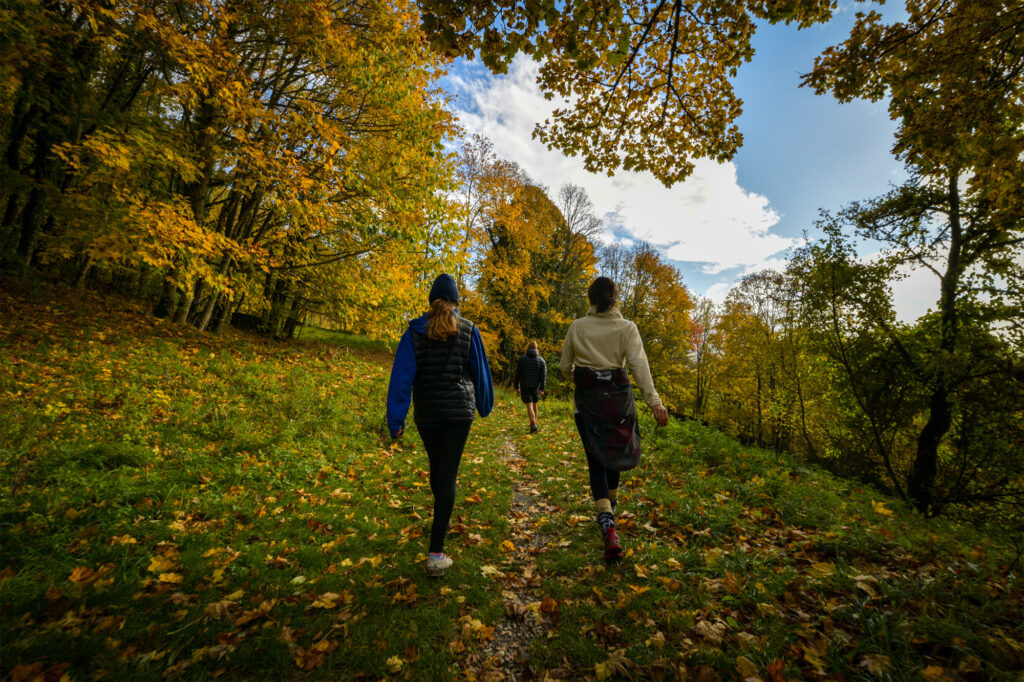
Tuscany in December is absolutely worth it. The region loses none of its character during the winter months, but instead gains tranquility, atmosphere, and authenticity. The crowds of high season give way to a quieter, deeper Tuscany — ideal for those who want to experience the area the way locals know it. In this article, we answer the most frequently asked questions about visiting Tuscany in December.
What is the weather like in Tuscany in December?
In December, the weather in Tuscany is cool to cold, with daytime temperatures averaging between 8 and 12 degrees Celsius. At night, temperatures can drop to around freezing, especially in the hills. Rainfall is possible, but prolonged rainy periods are rarer than you might expect. Snow in the lower areas is exceptional, but in the Casentino hills, a light snowfall can make the landscape look like a fairytale.
What makes Tuscan December weather special is the clarity of the air. After a rain shower, the landscape opens up in sharp contours, with panoramas that are unimaginable in the summer heat. The days are short — around nine hours of daylight — so an early start pays off. Warm clothing, sturdy walking shoes, and a good rain jacket are essential travel companions.
What can you do in Tuscany in December?
In December, Tuscany offers a rich mix of nature, culture, and gastronomy. The season is perfectly suited for walks through quiet forests, visits to medieval towns without queues, and discovering the local cuisine at its finest. The winter months are precisely when Tuscany shows its most authentic face.
Specifically, these are the activities that make December in Tuscany worthwhile:
- Walking in nature through forests and hills, without the heat and crowds of summer
- Truffle hunting with local guides and trained dogs, as the winter truffle is a delicacy found only in this season
- Wine tastings at small producers who have more time and attention for visitors in winter
- Exploring historic towns such as Arezzo, Cortona, and Florence, without tourist crowds
- Monastery visits to places such as La Verna in the Casentino hills, a place with a remarkable spiritual and historical atmosphere
- Local markets and Christmas traditions in small Tuscan villages
- Pasta and bread workshops with local families or agriturismi, which are especially cozy in winter
The winter atmosphere makes activities like hiking and culinary experiences more intense. After a long forest walk, a glass of local wine and a plate of handmade pasta taste entirely different than they do in the summer sun.
How busy is Tuscany in December?
Tuscany is considerably quieter in December than during the summer and spring months. Major tourist attractions such as Florence, Siena, and San Gimignano are very manageable, and in small villages and the countryside, an almost deserted calm prevails. This is the Tuscany that travelers seek when they value authenticity over comfort.
Around Christmas and New Year, Tuscany does attract Italian domestic visitors who enjoy spending the holidays in the region. Popular cities can be somewhat busier at those times. Those seeking absolute peace should plan their stay in the first weeks of December or after the holidays.
In the countryside, the hills, and smaller villages, it is quiet throughout the entire month of December. Here you will barely notice any tourist pressure. Especially in the Casentino valley, far from the well-known routes, December is a month of quiet nature and local life.
Which places in Tuscany are beautiful in December?
In December, both the cities and the countryside of Tuscany are worth visiting, but the true winter magic is found off the beaten path. The combination of historic architecture, rolling landscape, and winter light makes Tuscany in December visually and emotionally impressive — both photographically and personally.
Cities and culture
Arezzo, less than an hour’s drive from the Casentino valley, is particularly pleasant in December. The medieval city center, the famous frescoes by Piero della Francesca, and the Christmas market on the central square make it a perfect day trip. Florence is an hour and a half away and offers the opportunity in winter to visit the Uffizi and the Duomo without the usual long queues.
Nature and landscape
The Casentino National Park is at its most impressive in December. The bare trees reveal views that remain hidden behind canopies in summer. The monastery La Verna, set high in the hills, is a special destination that combines hiking, history, and silence in a way that works better than in any other season. The Corsalone river flows full and powerful through the valley in winter, giving the landscape an extra dimension.
Is an agriturismo in December a good idea?
An agriturismo in December is excellent, especially for those seeking peace, nature, and authentic Tuscan experiences. In the winter months, guests receive more personal attention, prices are generally lower than in high season, and you experience the agriturismo lifestyle at its most honest and unpolished. It is a form of accommodation that truly comes into its own in winter.
Agriturismi are naturally oriented toward seasonal rhythms. In December, the kitchen takes center stage: think hearty Tuscan dishes based on the cucina povera, winter vegetables from the farm’s own land, local olive oil from the new harvest, and wines just recently made. Activities such as truffle hunting, wine tastings, and cooking workshops fit perfectly with the wintry character of the stay.
It is wise, however, to check in advance which facilities are available in December. Not all agriturismi are open year-round, and the range of activities may be more limited in winter than in summer. A good agriturismo, however, offers alternatives in the winter months that are perfectly suited to the season.
What are the benefits of visiting Tuscany off-season?
Visiting Tuscany off-season offers concrete advantages in terms of tranquility, experience, price, and authenticity. Those who choose Tuscany in December or the broader winter period experience the region in a way that is simply not possible in summer. These are the main reasons to deliberately travel outside of high season:
- No crowds: Popular places are quiet and accessible, without queues or packed terraces
- Lower prices: Accommodations and experiences are generally cheaper in winter than in July and August
- More authentic experience: Locals go about their everyday lives and the region feels like itself, not like a tourist backdrop
- Special gastronomy: Winter products such as truffles, chestnuts, wild mushrooms, and new olive oil are only available in this season
- Sharper nature: The winter light and clear air make the Tuscan landscape more intense, both photographically and visually
- More attention: Agriturismi and small hotels have more time for their guests in winter, making the experience more personal
Tuscany in winter appeals to travelers who are not looking for a classic sunny holiday, but for a genuine escape. It is a destination for people who enjoy walking in the cold, warming up at a table full of local food, and the silence of a landscape that is catching its breath.
Novanta: Tuscany in winter at its best
Novanta, tucked away in the Gello valley in the Casentino hills, is precisely the kind of place that gives December in Tuscany its value. The borgo offers everything that makes a winter off-season trip special: peace, nature, authenticity, and a culinary experience deeply rooted in local traditions.
What Novanta has to offer in winter:
- Hiking through 300 hectares of forests and fields, directly bordering the Casentino National Park
- Truffle hunting with Nicola and his trained dogs — a genuine winter experience unlike anything else
- Wine tastings and cooking workshops, including flavorful experiences such as pasta making and the Italian butcher
- Hot tub after a long walk through the cold hills — one of the most appreciated winter amenities
- Atmospheric accommodations in restored stone buildings, from hotel rooms to holiday homes with exposed stone walls and terracotta floors
- Meals at long tables, based on seasonal local produce and the philosophy of cucina povera
Novanta is not a classic luxury hotel, but a place for travelers who value nature, connection, and authenticity over pampering. Are you ready to discover Tuscany in December as it truly is? Read more about the story of Novanta or explore the options for a winter stay in the Casentino valley.
