

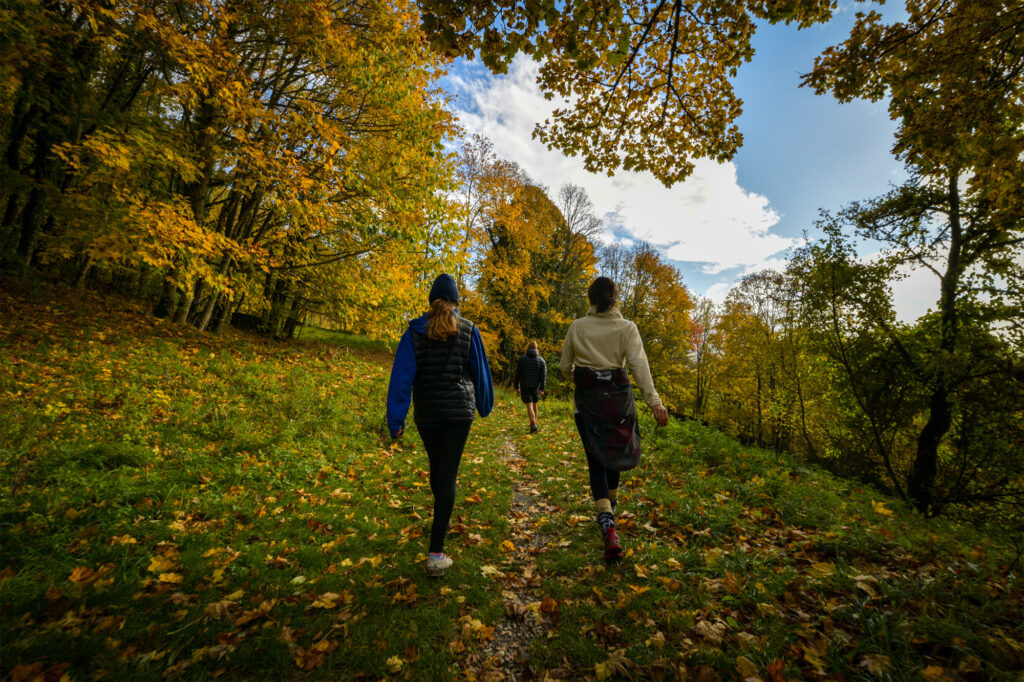
A vacation in Tuscany outside the peak season has clear advantages: fewer crowds, lower prices, more pleasant temperatures for walking, and a far more authentic experience of Italian rural life. It is precisely in autumn and winter that Tuscany reveals its true character, without the tourist crowds of the summer months. In this article, we answer the most frequently asked questions about traveling to Tuscany outside the high season.
When exactly is the low season in Tuscany?
The low season in Tuscany runs roughly from November through March, with a shoulder season in April, May, September, and October. The busiest period falls in July and August. Those who travel outside those summer months experience a quieter, more affordable, and in many respects richer Tuscany.
September and October are becoming increasingly popular with travelers who consciously choose autumn. Temperatures are still pleasant, the landscape turns spectacularly colorful, and the season of truffles, chestnuts, and mushrooms is in full swing. November through February is the true low season: quieter, colder, but also surprisingly beautiful for those who seek peace and authenticity over sun and crowds.
How busy is Tuscany outside the high season?
Outside the high season, Tuscany is considerably quieter. Popular cities such as Florence, Siena, and Arezzo are manageable without endless queues, and in the countryside there is a relaxed atmosphere that is hard to find in summer. Tourist attractions are accessible without booking far in advance.
In the Tuscan countryside, and certainly in remote valleys such as the Casentino, the difference is even more pronounced. Hiking trails are empty, local restaurants cater to regular guests, and villagers take time for a conversation. That is precisely the experience many travelers seek: genuine contact with the place and its people, rather than a backdrop for a mass-tourism experience.
What does a vacation in Tuscany cost in the low season?
A vacation in Tuscany in the low season is generally cheaper than in summer. Flights, accommodations, and rental cars are typically priced lower, and in restaurants and at local activities you also pay less of the surcharge that comes with high-season crowds.
How much you save depends on the period and the type of stay. Those who choose October or November instead of August can count on noticeably lower accommodation rates, while the quality of the experience is at least equivalent, and in many respects richer. Moreover, in the low season there are more rooms and vacation rentals available, giving you more choice and a more relaxed booking process.
What activities are typical for Tuscany in autumn and winter?
Tuscany in autumn and winter offers its own set of activities that are simply not available in summer or are far less appealing. The focus shifts from beach and swimming pool to nature, gastronomy, and culture.
Typical autumn and winter activities in Tuscany include:
- Truffle hunting with trained dogs in the forests of the Casentino, one of the most extraordinary culinary experiences the region has to offer
- Hiking through the colorful autumn forests of the Casentino National Park, with views across the valleys without the summer heat
- Gathering chestnuts and mushrooms in the forests, an age-old tradition in this region
- Wine tastings at local producers, a festive moment especially after the harvest
- Making pasta and bread with local cooks, with seasonal ingredients at the heart of the experience
- Visiting La Verna, the historic monastery on the mountain ridge, which exudes a particularly serene atmosphere in autumn and winter
- Relaxing in a hot tub after a cold day of hiking, an experience that is far less appealing in the summer heat
The combination of active nature and rich local gastronomy makes autumn the most beautiful season in Tuscany for many travelers.
What is the weather like in Tuscany outside the summer season?
The weather in Tuscany outside the summer season varies considerably by period. September and October are generally mild and sunny, with temperatures between 15 and 22 degrees Celsius. November becomes cooler and wetter. In December and January, temperatures in the hills can drop to around freezing, with a chance of snow at higher elevations.
For hikers and nature lovers, September through November are ideal months: pleasantly cool, clear light, and spectacular autumn colors in the forests. The summer heat, which can be intense in the Tuscan hills, actually makes daytime hiking in July and August difficult. Those who travel in winter can expect cold, clear days with an empty landscape and a very different, more understated atmosphere. Rain is possible in November and December, but periods of brilliant winter weather are certainly not rare.
Is Tuscany in the autumn school holidays suitable for families with children?
Yes, Tuscany during the autumn school holidays is an excellent choice for families with children. The autumn half-term holiday typically falls in October, a period when the weather in Tuscany is still pleasant and the surroundings are full of things to discover without the summer crowds and heat.
Children experience the Tuscan countryside in their own unique way: gathering chestnuts, roaming through forests, discovering a river, and joining activities such as pasta-making or a truffle hunt. In the Tuscan countryside there is space in abundance, and the tranquility means children can move around freely. Families who choose a vacation rental with two bedrooms also have the space and comfort to relax in the evenings while the children sleep.
The autumn holiday also falls outside the peak season, which means accommodations are more readily available and the atmosphere in the countryside is authentic and relaxed.
What makes an agriturismo in Tuscany different from an ordinary hotel?
An agriturismo in Tuscany is fundamentally different from an ordinary hotel because the stay is rooted in local agricultural tradition and rural life. Guests stay on a working estate or in a restored village building, surrounded by nature, and eat food that comes directly from the land or from local farmers.
Where a standard hotel delivers service from a certain distance, an agriturismo is all about connection: with the place, the people, and the seasons. Meals are often shared at long tables, activities are embedded in the local community, and the surroundings are not a backdrop but an integral part of the experience. The philosophy of cucina povera, a simple yet flavorful Italian cuisine based on what the land provides, is central to the way people eat and live.
An agriturismo also asks something of its guests: an open attitude, a willingness to walk, to taste, and to slow down. It is not a pampering luxury experience, but an authentic way of traveling that, for precisely that reason, leaves a far deeper impression.
How Novanta helps you truly experience Tuscany outside the season
Novanta, nestled in the Gello valley in the Casentino hills, is exactly the kind of place that comes into its own in autumn and winter. The historic borgo, surrounded by more than 300 hectares of forests and fields bordering the Casentino National Park, offers everything a low-season traveler seeks: tranquility, nature, authenticity, and rich local experiences.
What Novanta concretely offers for an autumn or winter stay:
- Truffle hunting with trained dogs in the valley forests, a seasonal highlight that is fully available in autumn
- Hiking through the Casentino forests and to La Verna, within walking distance of the borgo
- Culinary experiences such as pasta-making, wine tastings, and local cooking workshops, based on seasonal ingredients
- Hot tub after a cold day of hiking, ideal in autumn and winter
- Atmospheric accommodations in restored stone buildings, from hotel rooms to cozy cottages
- Peaceful surroundings without the summer crowds, with plenty of space for children, couples, and families
Would you like to experience Tuscany as it truly is, away from the crowds and with the depth that the season offers? Browse the experiences at Novanta and plan your stay in the autumn or winter of 2026.
Related Articles
- Welke paddenstoelen kun je vinden in de Toscaanse bossen?
- Hoe verschilt Toscane in de herfst van Toscane in de zomer?
- What Can You Do in Tuscany During the Fall Break With Kids?
- Is de Casentino geschikt voor een herfstvakantie?
- What to look out for when renting a holiday home in Tuscany for a large group?
