

Yes, Tuscany in February is an excellent destination, especially for travelers seeking tranquility, authenticity, and an unadulterated Italian atmosphere. Tourist crowds are minimal, prices are lower than in peak season, and the region shows its most honest, unpolished character. In this article, we answer the most frequently asked questions about traveling to Tuscany in winter.
What is the weather like in Tuscany in February?
In February, the weather in Tuscany is cool and changeable, with average temperatures between 4 and 12 degrees Celsius. Rain showers alternate with clear, sunny days. In higher areas such as the Casentino hills, snow is sometimes possible, giving the landscape an almost fairy-tale appearance.
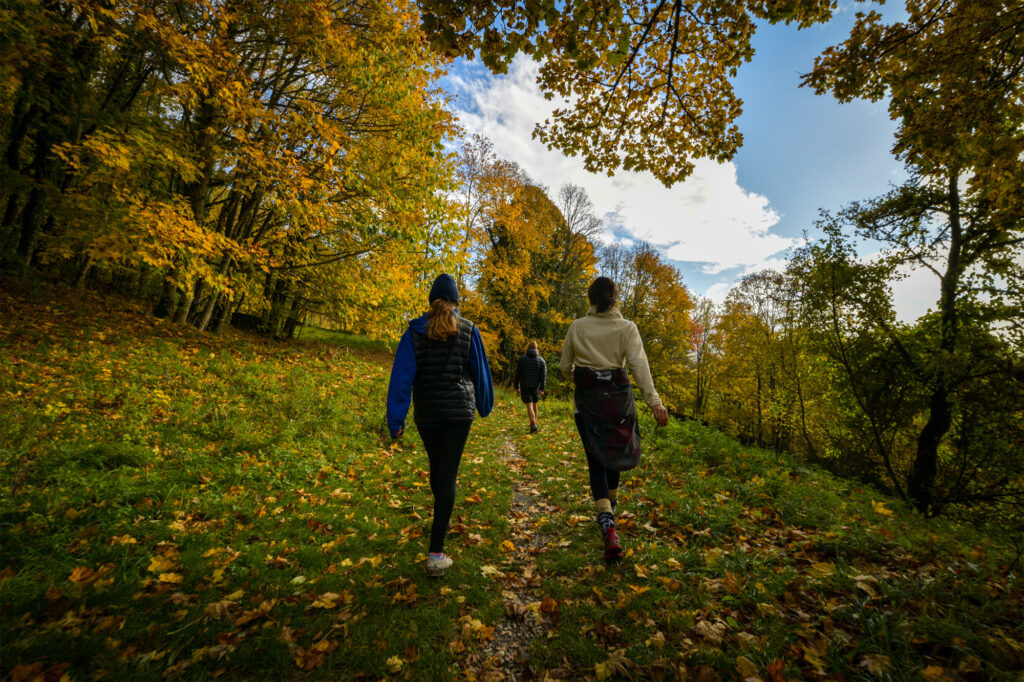
February is statistically one of the wetter months, but that does not mean you will spend your entire holiday indoors. Tuscany also enjoys regularly bright days in winter, with a clear blue sky and fresh, crystal-clear air that is rarely found in summer. The forests and hills are deep green and the rivers run full. For hikers and nature lovers, this is actually an appealing time: nature is vibrant and you have unspoiled trails to yourself.
When it comes to clothing: dress in layers. A good rain jacket, sturdy walking shoes, and a warm sweater are essential. Those who do so will find that the February weather in Tuscany is rarely a real obstacle to an active and rewarding holiday.
What can you do in Tuscany in February?
Tuscany in February offers a surprisingly wide range of activities, with an emphasis on gastronomy, nature, and culture. It is precisely outside peak season that the most authentic experiences are accessible: markets, local festivals, truffle hunts, and quiet walks through unspoiled forests.
Below is an overview of the best activities for Tuscany in winter:
- Truffle hunting: February still falls within the season of the black winter truffle. With a local guide and trained dogs, you head into the forests for one of Italy’s most extraordinary culinary experiences.
- Hiking in nature: The Casentino hills and the adjacent national park offer extensive walking routes that are virtually deserted in winter. The hike to the monastery of La Verna is an absolute must.
- Culinary workshops: Pasta-making, wine tastings, and other food workshops are organized year-round and are intimate and personal in the low season.
- Visiting historic cities: Arezzo, Siena, and Florence are reachable within less than two hours’ drive and are considerably quieter in February than in summer. Museums, cathedrals, and piazzas are at their best without the summer crowds.
- Relaxing in a hot tub: After a cold day of walking, a session in the outdoor hot tub is a wonderful way to warm up and unwind.
The combination of active outdoor experiences and warm, culinary indoor moments makes Tuscany in February particularly well-suited for travelers who want to go deeper than the standard tourist itinerary. Check the active experiences for inspiration.
Is Tuscany busy with tourists in February?
No, Tuscany in February is far from busy. It is one of the quietest months of the year for the region. Popular destinations such as Florence, Siena, and San Gimignano can be visited comfortably without long queues or crowded terraces. In the countryside and smaller villages, the peace is even greater.
This has direct benefits for the quality of your stay. Restaurants have more time for you, local producers welcome visitors with greater attention, and the atmosphere is more authentic. You experience Tuscany as the locals know it, not as it is presented to the summer masses.
In the Casentino valley, one of the lesser-known but most impressive corners of Tuscany, you feel this effect most strongly. Walking trails are quiet, nature is undisturbed, and contact with local people feels genuine. For those who want to discover Tuscany outside the season, February is therefore one of the most honest and immersive experiences the region has to offer.
What are the advantages of visiting Tuscany in February?
Visiting Tuscany in February offers several concrete advantages over peak season. Lower prices, fewer crowds, a more authentic atmosphere, and unique seasonal experiences are the main reasons to travel at this time of year.
The advantages at a glance:
- Lower costs: Accommodation, flights, and restaurant visits are noticeably cheaper in the low season. For the same budget, you get more quality or more space.
- Authentic atmosphere: Without the summer tourist crowds, Tuscany shows its true character. Local markets, small trattorias, and village squares belong to the residents, not the tourists.
- Unique seasonal activities: Truffle hunting, winter walks, and culinary traditions centered around seasonal produce are experiences that are simply not available in summer.
- Clear air and light: Photographers and nature lovers know it: the light in the Tuscan winter is exceptional. No heat haze, no mist, but sharp contours and deep colors.
- More personal contact: Local guides, chefs, and producers have more time and attention for their guests in the low season. Experiences become more personal and more memorable.
What are the disadvantages of traveling to Tuscany in February?
To be honest: Tuscany in February does have its drawbacks. The changeable weather, shorter days, and closed facilities are the most commonly cited downsides. For those seeking a sun holiday or specifically wanting to use a swimming pool, February is not the ideal time.
Keep the following in mind:
- Cold and rainy weather: Not every day is pleasant for outdoor activities. A travel plan that also includes indoor activities is a wise idea.
- Less daylight: In February, Tuscany has around ten hours of daylight. Getting up early pays off if you want to fit in a lot.
- Closed attractions: Some smaller museums, agriturismi, and tourist facilities are closed in the low season or operate on limited opening hours.
- No swimming pool: Those counting on a dip in the outdoor pool will have to wait until spring. In February, the water and temperatures are too cold for that.
These drawbacks are easy to manage for most travelers, as long as expectations are realistic. Those who visit Tuscany in winter for tranquility, nature, and gastronomy will rarely be disappointed.
Where is the best place to stay in Tuscany in February?
For a stay in Tuscany in February, small-scale, authentic countryside accommodations are the best choice. They offer warmth, character, and a direct connection with nature and local culture that larger city hotels cannot match.
The Casentino valley is in particular an excellent base for a winter trip to Tuscany. The area borders the Casentino National Park, is within driving distance of Arezzo and Florence, and offers a landscape that is at its most beautiful in winter. Small villages, dense forests, and quiet trails make it ideal for hikers, nature lovers, and culture enthusiasts.
Ideally, choose accommodation that is fully operational in the low season as well, and where activities are organized that suit the season. This way you get the most out of your winter trip to Tuscany. Check the holiday homes for more information about the available options.
Novanta: your base for a winter stay in Tuscany
Novanta is an experience hotel tucked away in the Casentino hills, in the historic Borgo di Gello. It is exactly the kind of place that allows Tuscany in February to shine. No mass tourism, no forced luxury, but an authentic, active, and culinary experience in the heart of the Tuscan countryside.
What Novanta offers in the low season:
- Organized truffle hunting with local guides in the surrounding forests
- Intimate wine tastings and pasta-making workshops with local producers
- Atmospheric outdoor hot tub, perfect after a cold day of walking
- Walking routes through the Casentino National Park, including the hike to the monastery of La Verna
- Rustic accommodations in a historic borgo, with stone walls and terracotta floors
Novanta is deliberately not a classic luxury hotel. It is a place for travelers who want to taste, move, connect, and slow down. Exactly what makes a winter trip to Tuscany so special. Discover the full offering on the experiences page and plan your stay in the quieter months for a Tuscany you will not soon forget.
